
The Flavor Layering Method That Makes Simple Home Cooking Taste More Expensive
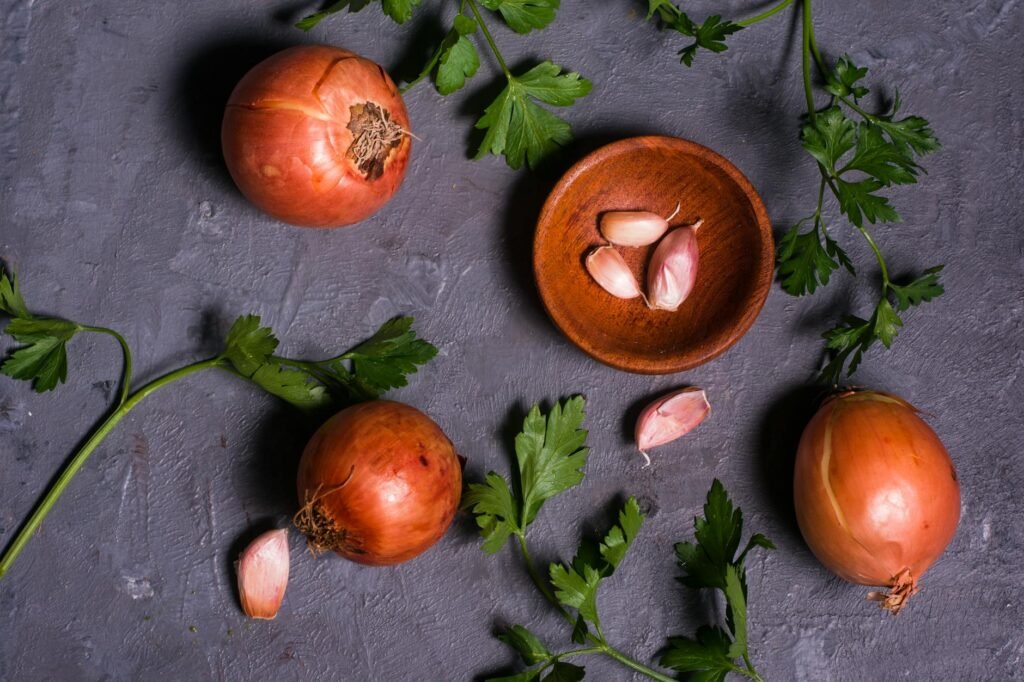
Flat weeknight food usually is not a grocery-budget problem. It is a sequencing problem. This article lays out a practical flavor-layering system that helps simple meals taste more finished, balanced, and restaurant-like
Why Homemade Sauces Taste One-Dimensional and How to Build Better Flavor

A homemade sauce usually tastes flat for a reason: it is missing a layer, not just an ingredient. Here is a practical way to diagnose bland sauces and build depth with better balance, aroma, savoriness, and texture.
The Kitchen Organization Mistake That Makes Weeknight Cooking Feel Harder Than It Is

The biggest kitchen organization mistake is simple: most kitchens are arranged for storage, not for cooking. Fixing that one issue can cut weeknight friction, reduce food waste, and make it easier to cook what you bought
Why Homemade Rice Dishes Taste Bland and What Restaurants Do Differently

If your rice tastes flat at home, the problem usually is not the rice. It is the missing flavor layers around it. Here is how restaurants build better rice with smarter grain choices, seasoned liquid, better finishing, a
Why Leftovers Taste Worse the Next Day and How to Fix It

Leftovers usually fail for predictable reasons: moisture moves, starch firms up, crisp surfaces soften, and cooked meat can develop stale off-notes. Here’s how to store, reheat, and rebuild them so they save moneyinstead
The Grocery Shopping Habit That Quietly Doubles Your Weekly Food Costs

The biggest grocery-budget leak usually is not one expensive item. It is the habit of shopping without a clear use plan, which leads to duplicate purchases, fill-in trips, delivery fees, and food waste.
The Beginner Cooking Rule That Prevents Most Kitchen Disasters

The simplest beginner cooking rule is also the most practical: do not turn on the heat until the recipe is read, the ingredients are prepped, and the tools are in place. That one habit prevents a surprising number of bad